En
- En
- عربي
- Deutsch
- Français
- Español
- Русский язык
- 한국어
- Nederlands
- Português
- 日本語
- Türkçe


Let's Have A Chat
We Have A Exclusive Offer For New Customers! Would You Like To Get Customized Packaging Solutions?
Let's Have A Chat
Would You Like To Get Customized Packaging Solutions Now? Just Leave Some Details And Our Team Will Contact You Quickly!


NEWS
INFORMATION

NEWS
INFORMATION


Top 3 Sustainable Coffee Packaging Trends in Europe 2026
2026-03-18 14:46:19
Click:
“
Europe’s coffee industry is undergoing a major transformation as sustainability becomes a central focus for brands, regulators, and consumers.This article highlights the top three sustainable coffee packaging trends in Europe for 2026: compostable materials, recyclable mono-material packaging, and minimalist eco-friendly design...
”

Europe continues to be one of the most active coffee markets in the world, with significant consumption in nations like France, Germany, and Italy. Sustainability has emerged as a key concern for authorities, customers, and companies alike as the sector expands. The European Environment Agency claims that packaging waste is still a significant environmental problem that necessitates immediate action in a number of industries, including coffee.
Trend 1: Compostable Packaging Materials
In Europe, compostable packaging bag is becoming increasingly popular as companies look for substitutes for conventional plastic laminates. These materials are made to decompose in a household or industrial composting setting, minimizing their long-term environmental impact.
Coffee packaging frequently uses the following compostable materials:
•Polylactic acid, or PLA, is produced using renewable resources
•Compostable barrier coatings on paper-based laminates
•Bio-based films made for streams of organic waste
Compostable coffee packaging has obvious advantages for the coffee industry. It promotes circular economy objectives, lessens landfill trash, and improves coffee brand reputation among environmentally sensitive customers.
Compostable coffee packaging is already being tested by a number of European efforts and international brands. To reduce trash, for instance, businesses working with circular platforms like Loop are investigating reusable and compostable technologies. Despite infrastructure constraints, biodegradable food packaging solutions are becoming more and more popular as consumer demand and regulations change.

Trend 2: Recyclable Coffee Packaging
In Europe, recyclable packaging is still the most extensively used and scalable sustainable solution. Recyclable coffee packaging concentrates on mono-material architectures, like polyethylene (PE) or polypropylene (PP), which are compatible with current recycling systems, in contrast to conventional multi-layer coffee bags that include aluminum foil and mixed plastics.
EU policy strongly supports this change. Since PPWR mandates that all packaging be recyclable by 2030, companies exporting to Europe should prioritize using recyclable coffee packaging.
Recyclable packaging has an effect that goes beyond compliance. It increases the effectiveness of waste management and satisfies rising customer demands for ecologically friendly goods. When compared to rigid alternatives, flexible packaging can drastically lower material use and carbon emissions, according to studies by the Flexible Packaging Association.

Leading European coffee companies like Tchibo have made a public commitment to switching to reusable or recyclable packaging, which is indicative of a larger industry trend toward circular packaging systems. These programs show how widespread adoption is not only satisfying legal requirements but also establishing new sustainability standards for the European coffee industry.
Trend 3: Eco-friendly and Minimalist Design
A potent trend that blends sustainability and distinctive corporate identity is minimalist packaging design. This packaging strategy emphasizes the use of eco-friendly inks and coatings, the reduction of superfluous materials, and the simplification of structures.
The following are important tenets of minimalist coffee packaging:
•Lightweight components to cut down on resource use
•Reduced complexity to facilitate recycling
•Decreased application of coatings and inks
•Clear, uncluttered labeling to improve consumer comprehension
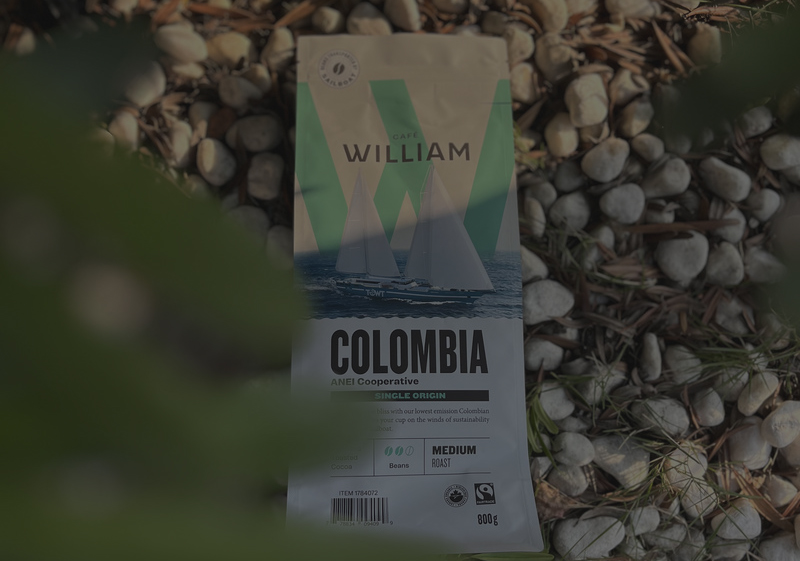
Brands can simultaneously reduce production costs and their environmental impact by reducing surplus packaging. European specialty coffee firms are increasingly using minimalist packaging design tactics to appeal to ecologically concerned consumers while preserving a premium brand image. For instance, Illy has concentrated on simple, recognizable packaging designs that reduce superfluous elements while maintaining a high shelf appeal and brand awareness, which has increased customer trust and increased engagement among audiences that care about sustainability.

Demand for Sustainability and Consumer Awareness
In recent years, there has been a notable increase in consumer awareness of environmental issues. Customers in Europe are particularly sensitive to packaging waste and sustainability claims.
Purchase decisions are being impacted by this change in customer behavior. Customers are more inclined to select coffee brands that provide:
•Packaging that is recyclable or compostable
•Clear assertions about sustainability
•Unambiguous recycling guidelines
Companies may increase consumer loyalty and trust by clearly communicating their environmental initiatives.
Industry Standards and the Regulatory Framework
Sustainable packaging trends are mostly fueled by European rules. The European Commission's PPWR establishes specific goals for waste reduction, recyclability, and labeling transparency.
Regulations are vital, but so are industry standards and certifications. Concerns about material safety, particularly limitations on compounds like PFAS, are also being addressed by organizations like the European Chemicals Agency.
When taken as a whole, these rules and guidelines are hastening Europe's shift to eco friendly coffee packaging options.
Prospects for Sustainable Coffee Packaging in the Future
Sustainable coffee packaging will continue to advance quickly beyond 2026. It is anticipated that advancements in digital printing, barrier technology, and material science will spur more gains in sustainability and performance.
Brands that use eco-friendly coffee packaging will become more and more popular in the coffee market. Businesses who make early investments in sustainable coffee packaging will have a competitive edge in terms of consumer trust and regulatory compliance.
Conclusion
The industry is changing as a result of the top three sustainable coffee packaging trends in Europe for 2026: minimalist design, recyclable packaging options, and compostable packaging materials. Technological advancement, customer demand, and regulatory pressure all contribute to these changes.
Using sustainable coffee packaging is now required. For coffee brands and roasters looking to stay compliant and competitive in the European market, it is an essential step.
Professional coffee bag manufacturer Puropak provides a variety of recyclable and biodegradable coffee packaging solutions designed to satisfy changing market demands and EU requirements. We assists brands in achieving sustainability and performance with anything from compostable bags to recyclable mono-material coffee bags.
Get in touch with the Puropak team for eco-friendly packaging options that complement your company's objectives and PPWR if you want to upgrade your coffee packaging for 2026 and beyond.