En
- En
- عربي
- Deutsch
- Français
- Español
- Русский язык
- 한국어
- Nederlands
- Português
- 日本語
- Türkçe


Let's Have A Chat
We Have A Exclusive Offer For New Customers! Would You Like To Get Customized Packaging Solutions?
Let's Have A Chat
Would You Like To Get Customized Packaging Solutions Now? Just Leave Some Details And Our Team Will Contact You Quickly!

NEWS
INFORMATION

NEWS
INFORMATION
Flexible Packaging Material Selection for Common Products
2026-04-30 14:57:35
Click:
“
2026 Ultimate Guide: Flexible Packaging Material Selection for Common ProductsFl
”

2026 Ultimate Guide: Flexible Packaging Material Selection for Common Products
Flexible packaging materials refer to packaging materials whose container shape can be changed after filling or taking out the contents. Widely used in the fast-moving consumer goods (FMCG) industry, flexible packaging products are everywhere on supermarket shelves, including various bags, boxes, sleeves and wraps made of paper, fiber products, plastic films for packaging, aluminum foil and other composite materials. Generally, flexible packaging materials are mainly divided into two categories: single-layer flexible plastic films and laminated flexible packaging composite materials.
Flexible plastic packaging bags are widely used in the packaging of food, daily necessities, gifts, apparel, electronics, handicrafts, toys, luggage, cosmetics and other industries. In packaging design, it is an essential step to select the appropriate packaging materials for different products, which directly determines the packaging's protective performance, shelf life, printing effect and compliance with global regulations. Below we will introduce the professional material selection for 8 mainstream flexible packaging products in the industry.
Material Selection for 8 Mainstream Flexible Packaging Products
1. Retort Pouches
Packaging Performance Requirements
Retort pouches are mainly used for the packaging of meat, poultry and other cooked food products. The core requirements include excellent barrier properties, outstanding puncture resistance against bone fragments, and maintaining integrity (no breakage, cracking, shrinkage) and odor-free performance during high-temperature retort sterilization. All materials must meet FDA food contact safety standards and EU food contact plastic regulations.
Standard Laminated Structures
- Transparent Retort Pouches: BOPA/CPP, PET/CPP, PET/BOPA/CPP, BOPA/PVDC/CPP, PET/PVDC/CPP, GL-PET/BOPA/CPP
- Aluminum Foil High-Barrier Retort Pouches: PET/AL/CPP, PA/AL/CPP, PET/PA/AL/CPP, PET/AL/PA/CPP
Material Selection Rationale
- PET (Polyethylene Terephthalate Film): High temperature resistance, excellent rigidity, outstanding printability and high mechanical strength.
- BOPA/PA (Biaxially Oriented Polyamide/Nylon Film): High temperature resistance, high tensile strength, excellent flexibility, superior barrier properties and outstanding puncture resistance.
- AL (Pure Aluminum Foil): Industry-leading comprehensive barrier properties, excellent high temperature resistance, full light blocking and aroma retention performance.
- CPP (Cast Polypropylene Film): High-temperature retort grade, excellent heat sealability, non-toxic and odorless, fully food contact safe.
- PVDC (Polyvinylidene Chloride): High-performance high-temperature resistant barrier material.
- GL-PET (Glass-Coated PET Film): Ceramic evaporated coating film with excellent barrier properties and microwave permeability.
Transparent retort pouches are suitable for most conventional high-temperature cooking sterilization, while aluminum foil retort pouches are ideal for ultra-high temperature sterilization and long shelf life requirements.
2. Puffed Snack Food Packaging
Packaging Performance Requirements
Core requirements for puffed snack packaging include oxygen barrier, moisture barrier, light blocking, oil resistance, aroma retention, good stiffness and dimensional stability, bright printing effect and cost-effectiveness.
Standard Laminated Structure
BOPP/VMCPP
Material Selection Rationale
Both BOPP film and VMCPP (Metallized CPP Film) provide excellent stiffness and dimensional stability for a premium shelf appearance. BOPP film delivers outstanding printability and high gloss for vibrant graphics, while VMCPP provides excellent barrier properties, aroma retention and moisture resistance. The CPP substrate also has good oil resistance for fried snack products.
3. Biscuit Packaging
Packaging Performance Requirements
Core requirements include excellent barrier properties, strong light blocking, oil resistance, high mechanical strength, odorless, and good stiffness to maintain packaging shape on the shelf.
Standard Laminated Structure
BOPP/EXPE/VMPET/EXPE/S-CPP
Material Selection Rationale
- BOPP film provides excellent rigidity, outstanding printability and low cost for the outer printing layer.
- VMPET (Metallized PET Film) delivers superior barrier properties, full light blocking, oxygen and moisture resistance to extend biscuit shelf life.
- S-CPP (Heat-sealable CPP Film) provides excellent low-temperature heat sealability and oil resistance for the inner food contact layer.
4. Green Tea Packaging
Packaging Performance Requirements
The core goal is to prevent deterioration, discoloration and flavor change of green tea, specifically to block the oxidation of protein, chlorophyll, catechin and vitamin C contained in green tea. This requires extremely high oxygen, moisture and light barrier properties.
Standard Laminated Structures
BOPP/AL/PE, BOPP/VMPET/PE, KPET/PE
Material Selection Rationale
AL foil, VMPET and KPET (PVDC-coated PET Film) are all high-barrier materials with excellent resistance to oxygen, water vapor and odor penetration. AL foil and VMPET also provide 100% light blocking performance to prevent photooxidation of green tea's active ingredients. All structures offer balanced performance and moderate cost for mass production.
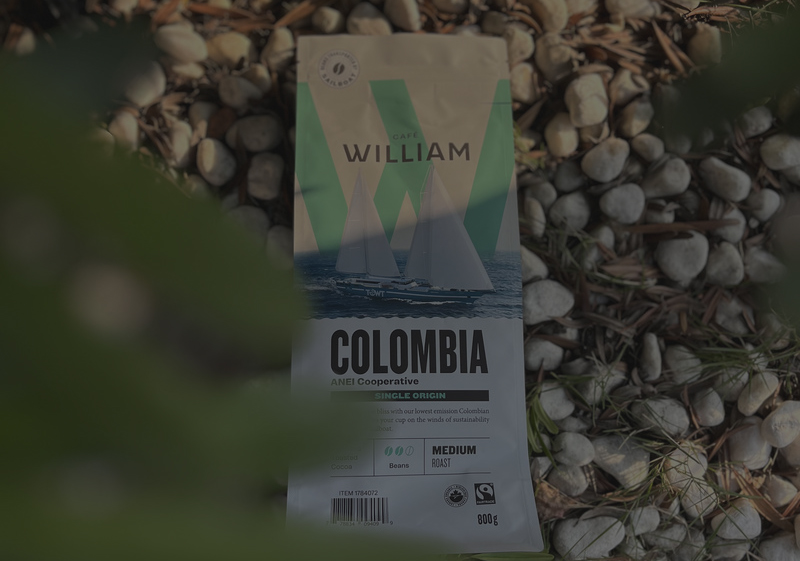
5. Ground Coffee Packaging
Packaging Performance Requirements
Core requirements include moisture resistance, oxidation resistance, puncture resistance against hard coffee lumps after vacuum packaging, and excellent aroma retention to preserve the volatile and easily oxidized aroma components of coffee.
Standard Laminated Structures
PET/PE/AL/PE, PA/VMPET/PE
Material Selection Rationale
AL foil, PA (Nylon) film and VMPET provide industry-leading barrier properties for water vapor and oxygen to prevent coffee oxidation and moisture absorption. PE packaging film delivers excellent heat sealability and flexibility for vacuum packaging and valve sealing, while PA film provides extra puncture resistance for hard coffee grounds.
6. Chocolate Packaging
Packaging Performance Requirements
Core requirements include excellent barrier properties, full light blocking, high-quality printing effect, and low-temperature heat sealability to avoid heat damage to chocolate during sealing.
Standard Laminated Structures
- Pure Chocolate: Varnish/Ink/White BOPP/PVDC/Cold Seal Adhesive
- Nut Chocolate: Varnish/Ink/VMPET/Adhesive/BOPP/PVDC/Cold Seal Adhesive
H4: Material Selection Rationale
PVDC and VMPET are high-barrier materials that prevent oil migration and oxidation of chocolate. The cold seal adhesive can be sealed at extremely low temperatures, avoiding heat damage to the chocolate product during the packaging process. For nut chocolate, an additional oxygen barrier layer (VMPET) is added to the structure, as nuts contain high levels of oil that are prone to oxidation and deterioration.
7. Beverage Pouches
Packaging Performance Requirements
- Acidic Beverages (pH < 4.5): Require pasteurization resistance and general barrier properties.
- Neutral Beverages (pH > 4.5): Require high-temperature sterilization resistance and superior high barrier properties to prevent microbial growth.
Standard Laminated Structures
- Acidic Beverages: PET/PE (CPP), BOPA/PE (CPP), PET/VMPET/PE
- Neutral Beverages: PET/AL/CPP, PET/AL/PA/CPP, PET/AL/PET/CPP, PA/AL/CPP
Material Selection Rationale
For acidic beverages, PET and PA film provide good barrier properties and pasteurization resistance, and the natural acidity of the contents extends the shelf life without the need for ultra-high barrier materials. For neutral beverages, AL foil provides the best comprehensive barrier properties, while PET and PA film provide high mechanical strength and high-temperature sterilization resistance to ensure long shelf life.
8. Heavy Duty Flexible Packaging Bags
Packaging Performance Requirements
Heavy duty packaging is mainly used for agricultural products such as rice, beans, and chemical products such as fertilizers. The core requirements are excellent toughness and puncture resistance, as well as necessary barrier properties according to the contents.
H4: Standard Laminated Structures
PE/Plastic Fabric/PP, PE/Paper/PE/Plastic Fabric/PE, PE/PE
H4: Material Selection Rationale
PE film provides excellent heat sealability, flexibility and drop resistance for the packaging, while the plastic fabric provides extremely high tensile strength and puncture resistance for heavy load requirements. Multi-layer PE structures are used for conventional light heavy-duty packaging with balanced cost and performance.
At Puropak Packaging Materials (Foshan) Co., Ltd., we specialize in manufacturing custom flexible plastic packaging bags with tailored laminated structures, using high-quality, food-grade materials that meet global regulatory standards. Whether you need packaging for food, beverages, industrial products or daily necessities, we can design a material structure that balances protective performance, cost-effectiveness and compliance. Contact our expert team today to discuss your flexible packaging project!