En
- En
- عربي
- Deutsch
- Français
- Español
- Русский язык
- 한국어
- Nederlands
- Português
- 日本語
- Türkçe


Let's Have A Chat
We Have A Exclusive Offer For New Customers! Would You Like To Get Customized Packaging Solutions?
Let's Have A Chat
Would You Like To Get Customized Packaging Solutions Now? Just Leave Some Details And Our Team Will Contact You Quickly!

NEWS
INFORMATION

NEWS
INFORMATION
Ultimate Guide to Coffee Bean Packaging: Materials, Design & Functional Features
2026-05-14 15:16:32
Click:
“
Coffee bean packaging is far more than just a container—it is the first line of
”

Coffee Bean Packaging: It’s Not Just a Bag. It’s Your Coffee’s Only Chance.
Let me tell you something I’ve learned the hard way after 7 years in specialty coffee packaging most roasters spend 80% of their time perfecting their roast profile, and 2% thinking about the bag. That’s backwards. You can roast the most incredible Geisha from Panama, but if you put it in a cheap paper bag, it will taste like cardboard in 2 weeks.
Coffee packaging is the first line of defense for everything you work so hard to create. It protects flavor, locks in aroma, and keeps your beans fresh long after they leave your roastery. And let’s be real—it’s also the first thing a customer sees when they walk down the coffee aisle. Get it right, and you’ll build a loyal following. Get it wrong, and you’ll be throwing away perfectly good coffee.
After helping over 120 small-batch roasters fix their packaging mistakes, I’ve put together everything you actually need to know. No jargon, no sales pitches—just the stuff that makes a real difference.
First Things First: Materials. Nothing Else Matters If This Is Wrong.
I can’t stress this enough: the material you choose will make or break your coffee’s shelf life. A great bag needs to do three things really well: keep out oxygen/light/moisture, survive shipping, and not destroy the planet.
Barrier Performance: The One Thing You Can’t Skimp On
Oxygen, light, and moisture are coffee’s three mortal enemies. Even a tiny pinhole in your bag will let oxygen in, and suddenly that bright, citrusy Ethiopian you spent 3 days perfecting tastes flat and stale. The Specialty Coffee Association (SCA) confirms that these three factors are responsible for 90% of coffee flavor degradation.
That’s why every single premium coffee roaster uses high-barrier laminated flexible packaging. And yes—aluminum foil is still the industry gold standard. I’ve tested every 'new' barrier material on the market, and nothing comes close to pure aluminum foil at blocking 100% of light, oxygen, and moisture.
A good custom coffee bean bag has three layers, each with a job:
- Outer layer: Usually PET or BOPP film. This is what gets printed on. It needs to be tough enough to not scratch when boxes are stacked in a warehouse.
- Middle barrier layer: Pure aluminum foil (7-9 microns is standard). This is the hero. It stops everything.
- Inner layer: Food-grade PE or CPP film. This is what touches your beans, and it needs to seal perfectly when heat is applied. All our materials comply with FDA food contact regulations and EU 10/2011 food packaging standards to ensure absolute safety.
Skip the foil, and you’re cutting your shelf life in half. I had a client last year who switched to a 'cheaper' metallized film to save 2 cents per bag. They ended up with 5,000 bags of stale coffee that they had to throw away. That mistake cost them $15,000. Don’t be that guy.
It Has To Actually Work On Your Filling Machine
This is another mistake I see all the time. Roasters pick a beautiful bag, then it jams their filling machine every 10 minutes.
Your packaging needs to be flexible enough to conform to the shape of the beans as they’re filled, but strong enough to not tear when it’s being sealed. Soft plastic composite bags are the standard for a reason—they run smoothly on almost every high-speed filling machine, and they hold up great during shipping.
If you’re a small roaster using a manual sealer, make sure you test the material first. Some thicker films require higher heat and pressure to seal properly. We always send free packaging sample rolls to our clients so they can test on their own equipment before placing a large order.
Sustainability: It’s Not Optional Anymore
Five years ago, you could get away with ignoring sustainability. Today? Your customers will walk right past your bag if it’s not eco-friendly. The Ellen MacArthur Foundation estimates that sustainable packaging will be a $200 billion industry by 2030, and coffee is leading the charge.
The good news is that sustainable materials have gotten way better. The most popular options right now are:
- 100% recyclable mono-material PE coffee bags: All layers are made from the same plastic, so it can be recycled in standard curbside bins.
- Bio-based sugarcane coffee packaging: Made from renewable sugarcane resin, carbon neutral.
- Compostable PLA coffee bags: Break down in industrial compost systems within 180 days.
Just be honest with your customers. If your bag is recyclable, tell them exactly how to recycle it. Don’t greenwash—consumers can smell that from a mile away.
Design: How To Make Someone Pick Your Bag Off The Shelf
There are 50 different coffee bags on the average grocery store shelf. Yours has 3 seconds to make someone stop and pick it up.
Your Logo Needs To Be Front And Center. No Exceptions.
I’ve seen so many roasters try to be 'artistic' and hide their logo in the corner. Don’t do that. Your logo is your brand. It needs to be big, bold, and impossible to miss.
Think about what makes your brand different. Are you a tiny family roaster? Use hand-drawn illustrations. Are you focused on direct trade? Show photos of the farmers you work with. Your packaging should tell your story at a glance.
If you’re not sure where to start, our professional custom packaging design teamcan help you create a design that stands out while staying true to your brand identity. We offer unlimited revisions until you’re 100% satisfied.
Tell Them Exactly What They’re Getting
Customers hate guessing. If I have to squint to find the roast level on your bag, I’m putting it back.
Make sure these things are easy to read:
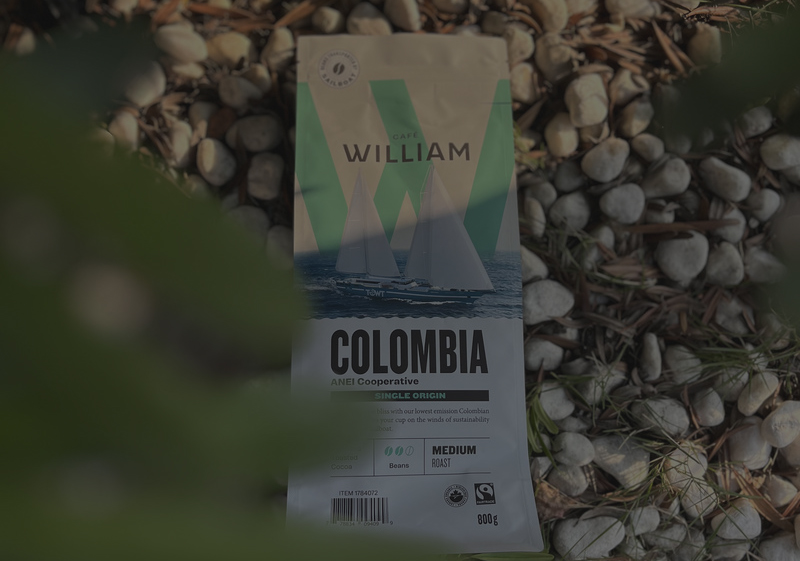
- Exact origin (not just 'Ethiopia'—tell them it’s Yirgacheffe, from the Kochere cooperative)
- Roast level (light, medium, dark—use a simple scale if you want)
- Actual tasting notes (not 'rich and smooth'—tell me it tastes like blueberry, lemon zest, and jasmine)
- ROAST DATE. Not a best-by date. The roast date is the only thing that matters to specialty coffee drinkers.
- Net weight and brewing tips
Transparency builds trust. I’ve had clients tell me that adding the exact roast date to their bags increased repeat purchases by 30%. That’s huge.
Color Matters More Than You Think
Colors trigger emotions. Warm earth tones (browns, oranges, deep reds) make people think of comfort and richness. Bright, bold colors make your bag stand out on the shelf. Minimalist black and white conveys premium quality.
Just be consistent. Your entire line of coffees should look like they belong together. We offer full-color digital printing with no minimum order quantity, perfect for small batch roasters.
Sealing: A Bad Seal Will Ruin Everything
You can have the best material and the most beautiful design in the world, but a bad seal will turn your coffee into garbage.
Resealable Zippers: Customers Expect Them Now
A resealable zipper coffee bag is no longer a luxury. It’s a requirement. If your bag doesn’t have a zipper, most customers won’t buy it. They want to be able to open and close the bag easily, and keep their coffee fresh for weeks.
But not all zippers are created equal. Cheap zippers break easily, or they don’t seal all the way. Spend the extra penny on a high-quality double-track zipper. It’s worth it.
Quality Control Is Everything
One bad seal in a thousand can lead to a lot of unhappy customers. Make sure your packaging manufacturer has strict quality control processes in place. They should be testing every batch of bags for seal strength and leak resistance.
At Puropak, we perform 100% seal inspection on all our coffee bags before they leave our factory. That means you never have to worry about receiving a batch of defective bags.
The Little Things That Make A Big Difference
These are the features that separate good packaging from great packaging.
The One-Way Degassing Valve: Non-Negotiable
Roasted coffee beans release carbon dioxide for weeks after roasting. Dark roasts release way more than light roasts. If you don’t have a degassing valve, your bags will inflate like balloons. Sometimes they even burst.
A good one-way valve lets the CO₂ out, but doesn’t let any oxygen in. It’s the single most important functional feature for roasted coffee packaging. The National Coffee Research Centre (CENICAFE) has published extensive research proving that valves extend coffee shelf life by 3-6 months.
If you only splurge on one thing, splurge on high-quality coffee bags with one-way degassing valves. It’s the difference between coffee that tastes fresh for months and coffee that goes stale in a week.
Block Out The Light
Light is a silent killer of coffee flavor. It breaks down the delicate volatile compounds that give coffee its taste and aroma.
That’s why almost all good coffee bags are opaque. If you really want a window so customers can see the beans, use a light-blocking clear window. Regular clear plastic will let in enough light to degrade the coffee over time.
We also offer flat bottom coffee bags and stand up coffee pouches in various sizes, from 4oz sample bags to 5lb bulk bags.
At the end of the day, great coffee packaging is all about balance. It needs to protect your beans, tell your story, and make your customers happy. It’s not rocket science, but it does require attention to detail.
The biggest mistake I see roasters make is treating packaging as an afterthought. Your bag is the last thing you touch before your coffee goes out into the world. Make it count.
If you’re ready to upgrade your coffee packaging, contact our team today for a free, no-obligation quote and design consultation. We’ve helped hundreds of roasters just like you create packaging that protects their coffee and grows their brand.